
Protein: functions and benefits
What do proteins do? Why is eating proteins important? Learn how to include proteins in your diet
What do proteins do?
Proteins belongs to the group of macronutrients, which the body needs in large amounts. This group is essential for the maintenance and building of body tissues and muscle.
 Proteins are essential for the maintenance of body tissues and muscle
Besides, this macronutrient:
- Is involved in biochemical reactions
- Transmits information between cells, tissues and organs
- Helps to maintain proper pH values of the blood and other fluids
- Maintains the fluid balance between the blood and the surrounding tissues
- Protects the body from foreign invaders (disease-causing bacteria and viruses)
- Transports and stores nutrients
Why are proteins important?
Proteins are made of small compounds
called amino acids. Our body can produce all but nine of the amino acids it needs.
These nine are called essential amino acids and must come through our diet.
Proteins can be found in both animal and vegetable food. However, they do not have the same biological value. Thus, when a protein contains the amino acids required by humans in the right proportion, it is said it has high biological value.
 Cheese, as part of the dairy food group, rich in high biological value proteins
This is the case of the proteins found
in meat, fish, eggs and dairy. When the presence of one essential amino acid is
insufficient, the protein is said to have low biological value. This is the
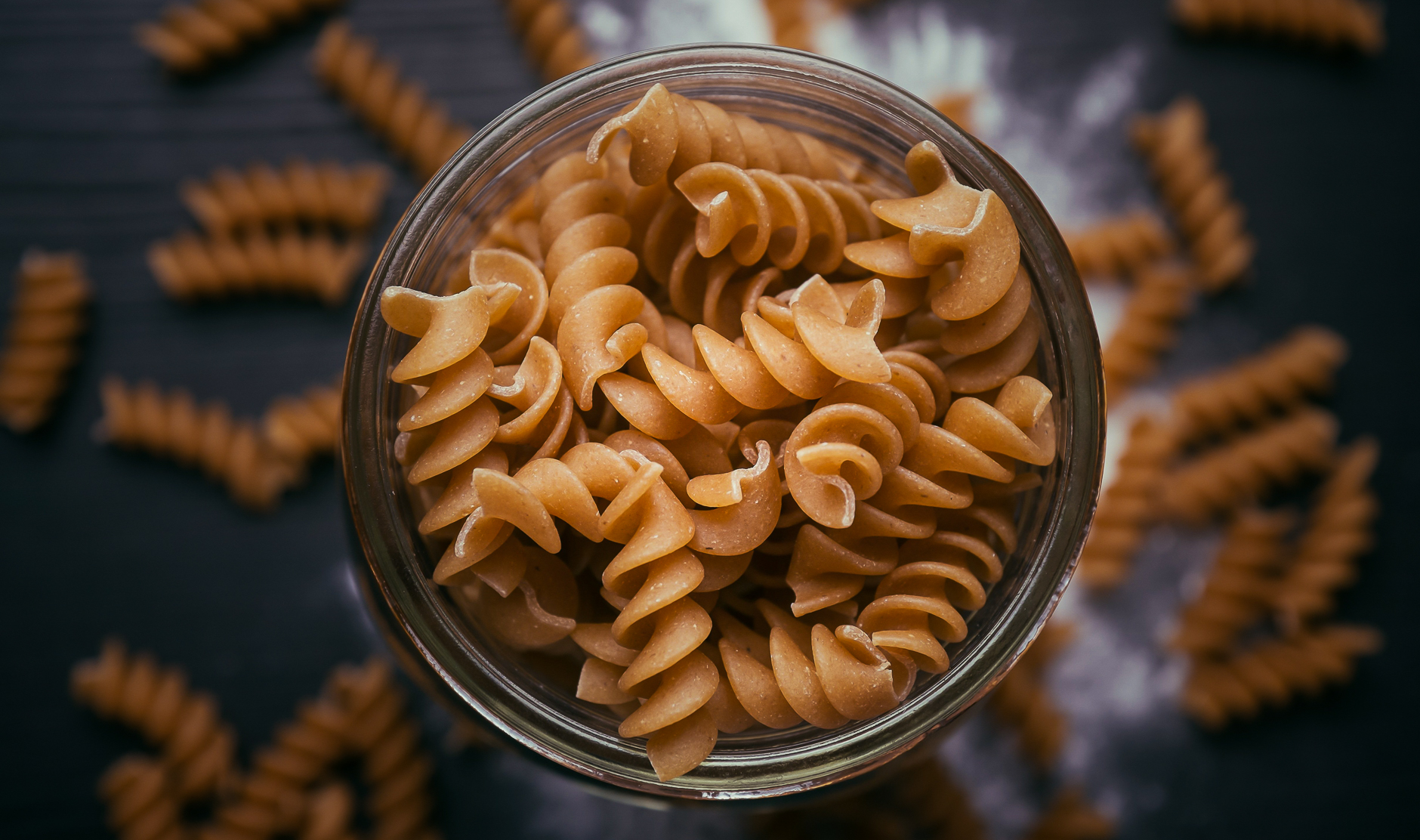
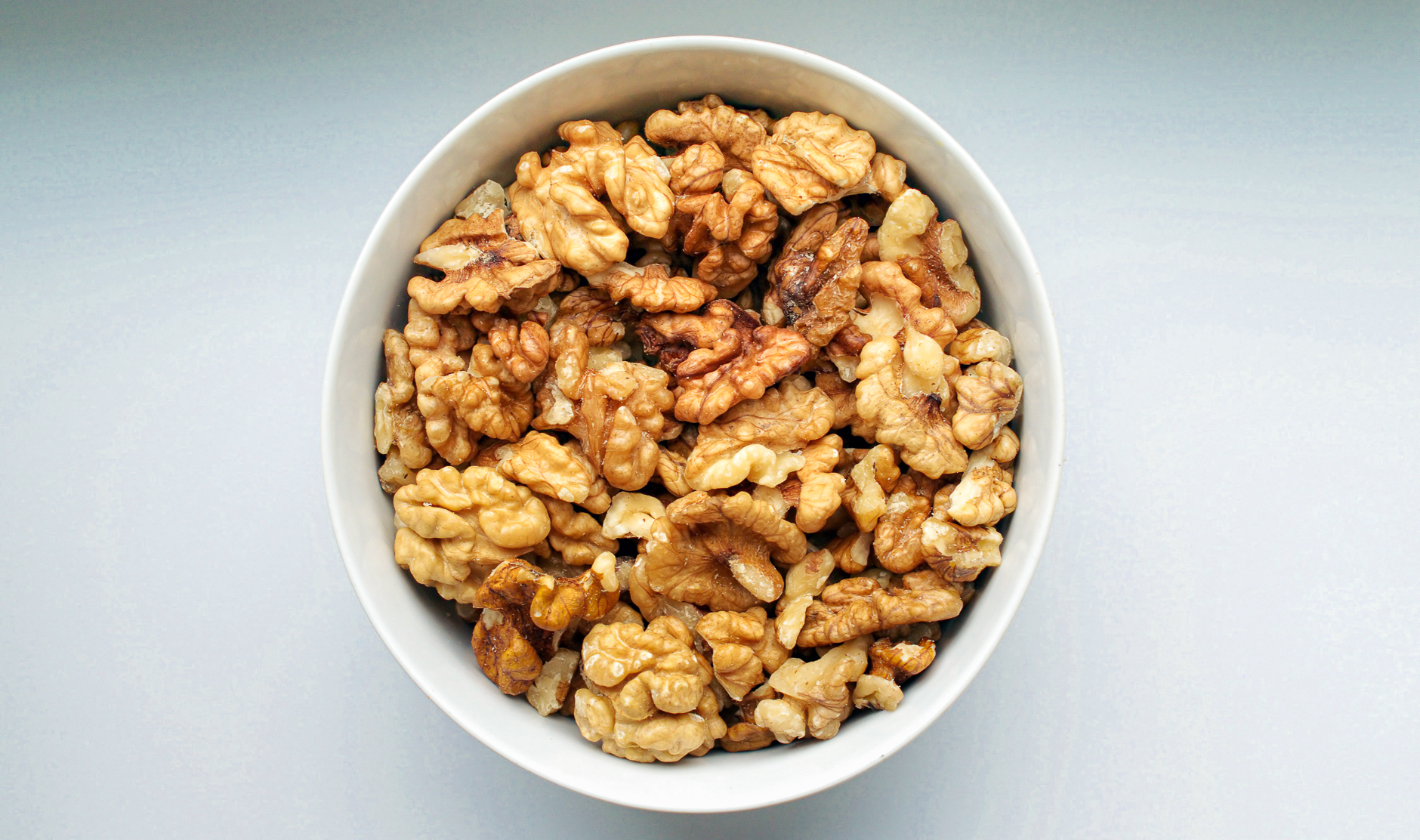
case of proteins coming from legumes, grains, nuts seeds and vegetables.
A well-balanced diet with a variety of foods can provide sufficient proteins for the body’s needs.