
Bioactive compounds: definition and benefits
What are bioactive compounds? Where can we find them? [with table of foods]
What are bioactive compounds?
Bioactive compounds are chemicals found in small amounts in plants and certain foods (such as fruits, vegetables, nuts, oils, and whole grains). Unlike essential macronutrients and micronutrients, they are not indispensable for our body, as we can function properly without them.
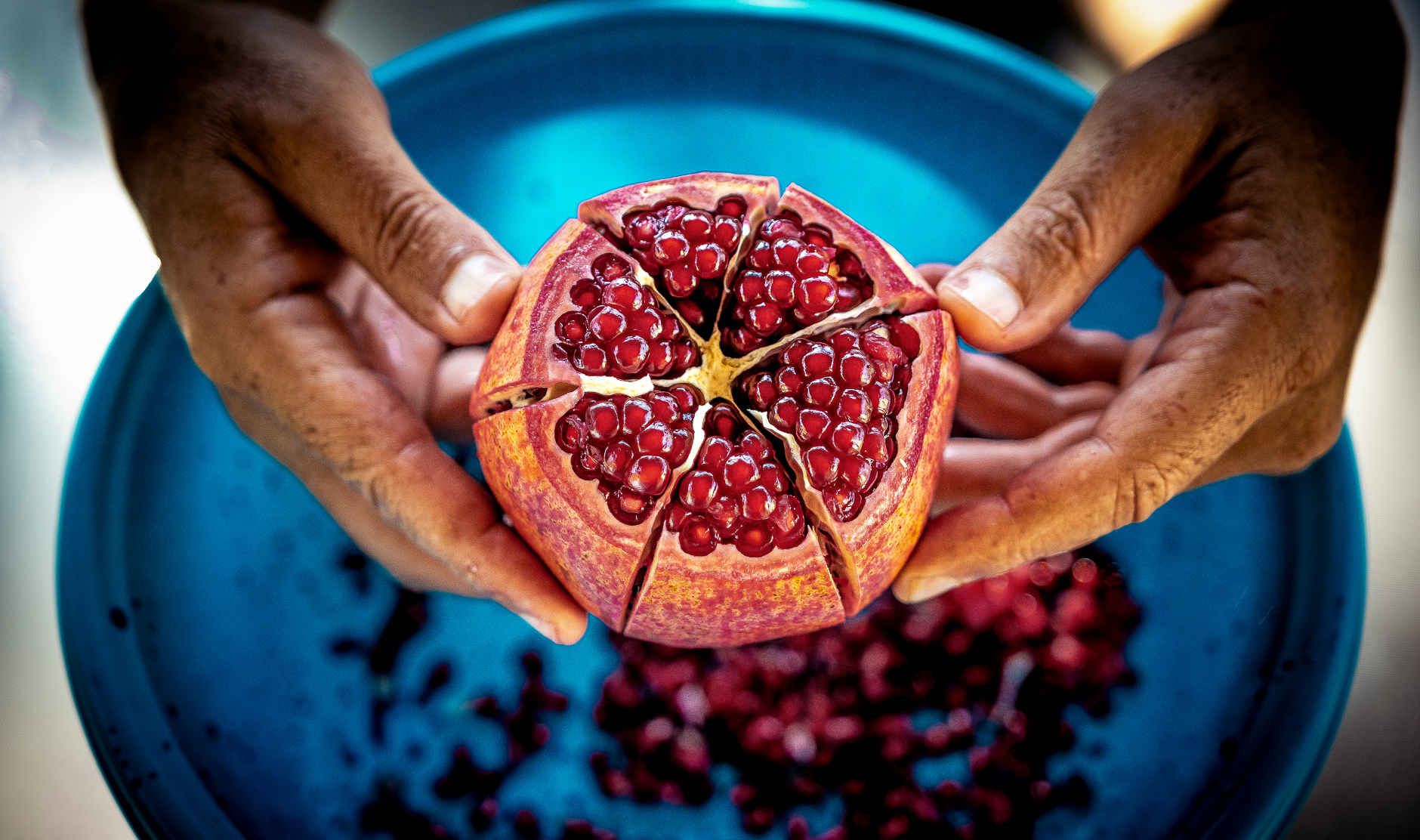
 Bioactive compounds, such as the presents in the pomegranate, are thought to have many positive effects
However, they are being
intensively studied, as they seem to have psychological, behavioural, and
immunological positive effects. Thus, recent epidemiological studies indicate
that a high consumption of food rich in bioactive compounds with antioxidant
activity could reduce the risk of numerous diseases such as cataracts,
diabetes, strokes, heart diseases, cancer, Alzheimer’s, and age-related
functional decadence.
Compounds with antioxidant activity are those with the capacity of slowing or preventing the oxidation of other molecules. Those compounds are called antioxidants, and include enzymes, vitamins, minerals and diverse groups or phytochemicals.
 Spinach is rich in many antioxidants, include it in your diet (beta-carotene, Lutein, Zeaxanthin, Vitamin E, Selenium, Zinc, Betalains, Saponins)
Table 1 describes where to find these antioxidants in vegetables.
|
Antioxidant |
Main vegetable source |
|
|
Vitamin C |
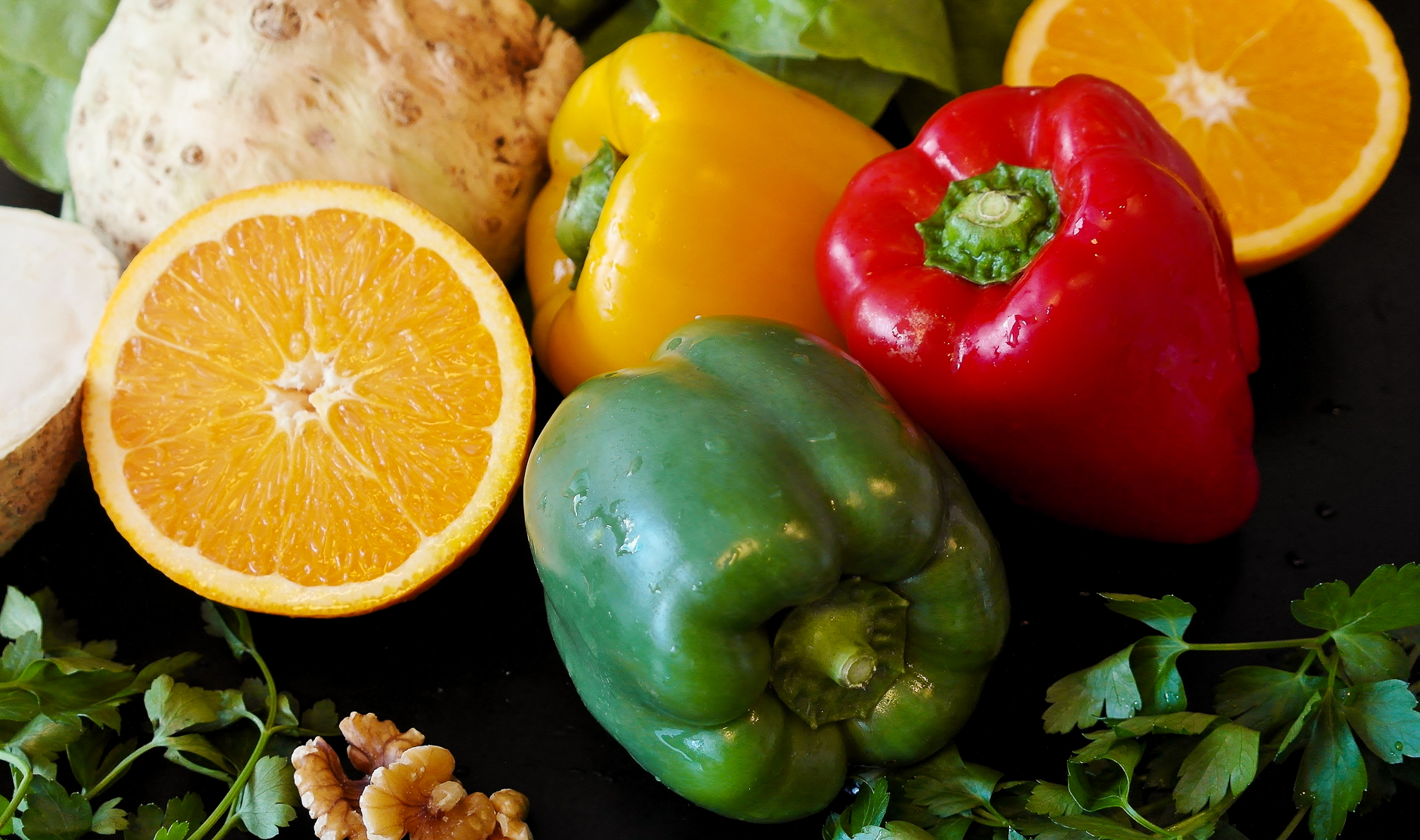
Guavas, bell peppers, kiwifruit, strawberries,
citrus fruits, papayas, broccoli, tomatoes, snow peas, and leafy greens |
|
|
Vitamin A (carotenoids) |
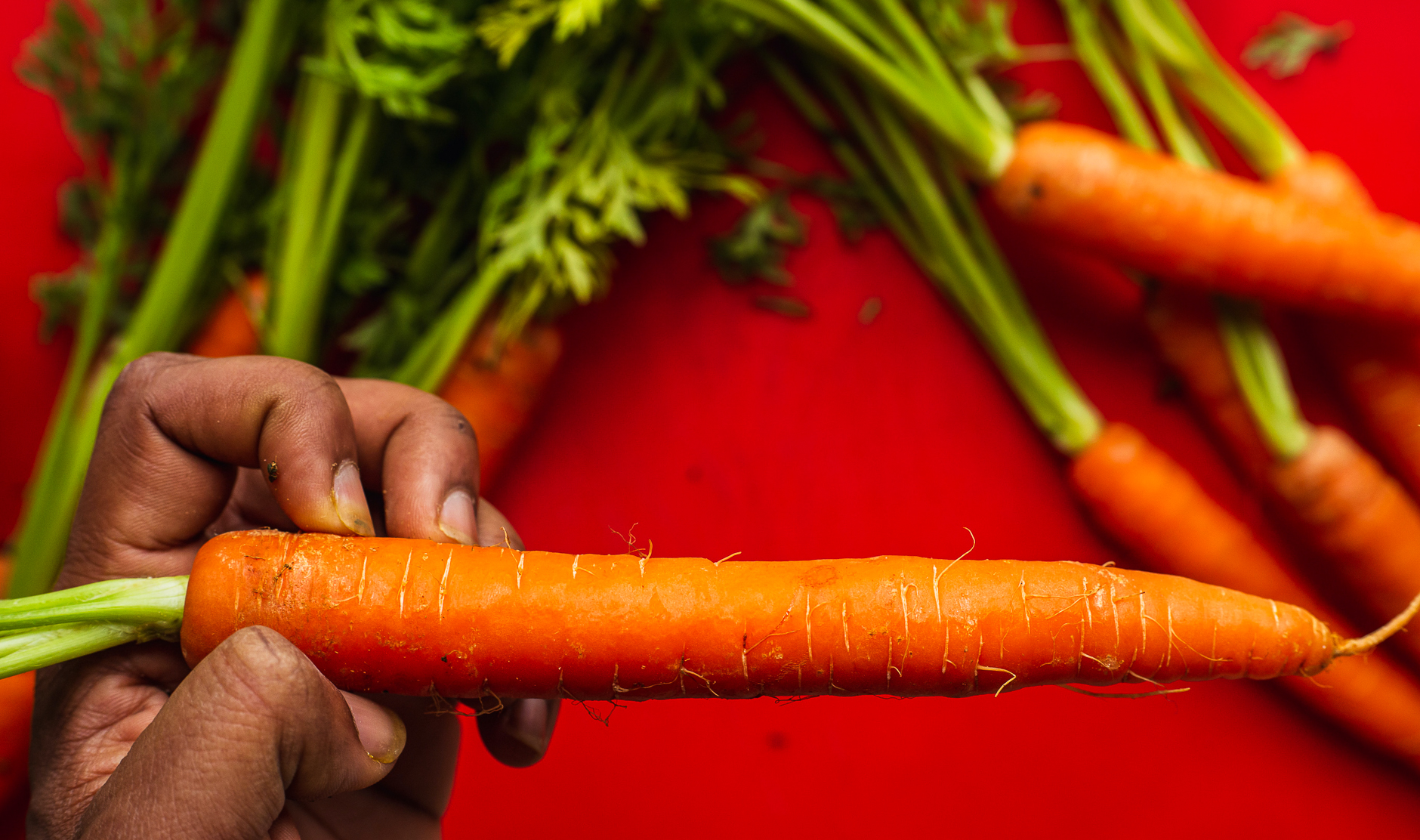
Carrots, tomato, dark leafy greens, winter squashes,
lettuce, dried apricots, cantaloupe, bell peppers, and tropical fruits |
|
|
|
α-carotene |
Carrots, winter squash, tomatoes, green beans,
cilantro, Swiss chard |
|
|
Astaxanthin |
Red algae |
|
|
β-carotene |
Butternut squash, carrots, orange bell peppers,
pumpkins, kale, peaches, apricots, mango, turnip greens, broccoli, spinach,
and sweet potatoes. |
|
|
Lutein |
Spinach, kale, Swiss chard, collard greens, beet and
mustard greens, endive, red pepper and okra |
|
|
Zeaxanthin |
Kale, collard greens, spinach, turnip greens, Swiss
chard, mustard and beet greens, corn, and broccoli |
|
|
Lycopene |
Tomatoes, watermelon, guava, papaya, apricots, pink
grapefruit and blood oranges |
|
Vitamin E |
Sunflower seeds, nuts, spinach, avocados, squash,
kiwifruit, trout, shrimp, olive oil, wheat germ oil, and broccoli |
|
|
Flavonoids |
Red, blue, and purple fruits (such as apple,
blackberry, blueberry, cranberry, grape, nectarine, peach, plum & prune,
pomegranate, raspberry, and strawberry), coffee and
tea |
|
|
Selenium |
Brazil nuts,
mushrooms, legumes, seeds, brown rice, broccoli, cabbage, spinach |
|
|
Zinc |
Pumpkin seeds, legumes,
cocoa powder, mushrooms, spinach |
|
|
Glucosinolates, isothiocyanates |
Brassica vegetables:
broccoli, cauliflower, Brussels sprouts, cabbage, kale, radish, swede,
turnip, watercress |
|
|
Betalains |
Beetroot, silver beet, spinach (red and yellow varieties) |
|
|
Saponins |
Alfalfa sprouts, asparagus,
beans, spinach |
|
|
Capsaicinoids |
Capsicums, chilis |
|
|
Phytosterols |
Asparagus, beans, lettuce,
peas, brassica family e.g. broccoli, swedes, cauliflower |
|