
Meat, fish, and their benefits
Discover why it is important to eat meat and fish, with tips and recommendations
Meat and fish are diverse food groups and have some differences, but they have something in common. Both are a source of protein, a nutrient important for our muscular health. The protein found in meat and fish is of high biological value. This means that it contains all the essential aminoacids required for to support our body functions in the right proportion. Besides protein, these groups supply varying amounts of other important nutrients such as vitamins and minerals.
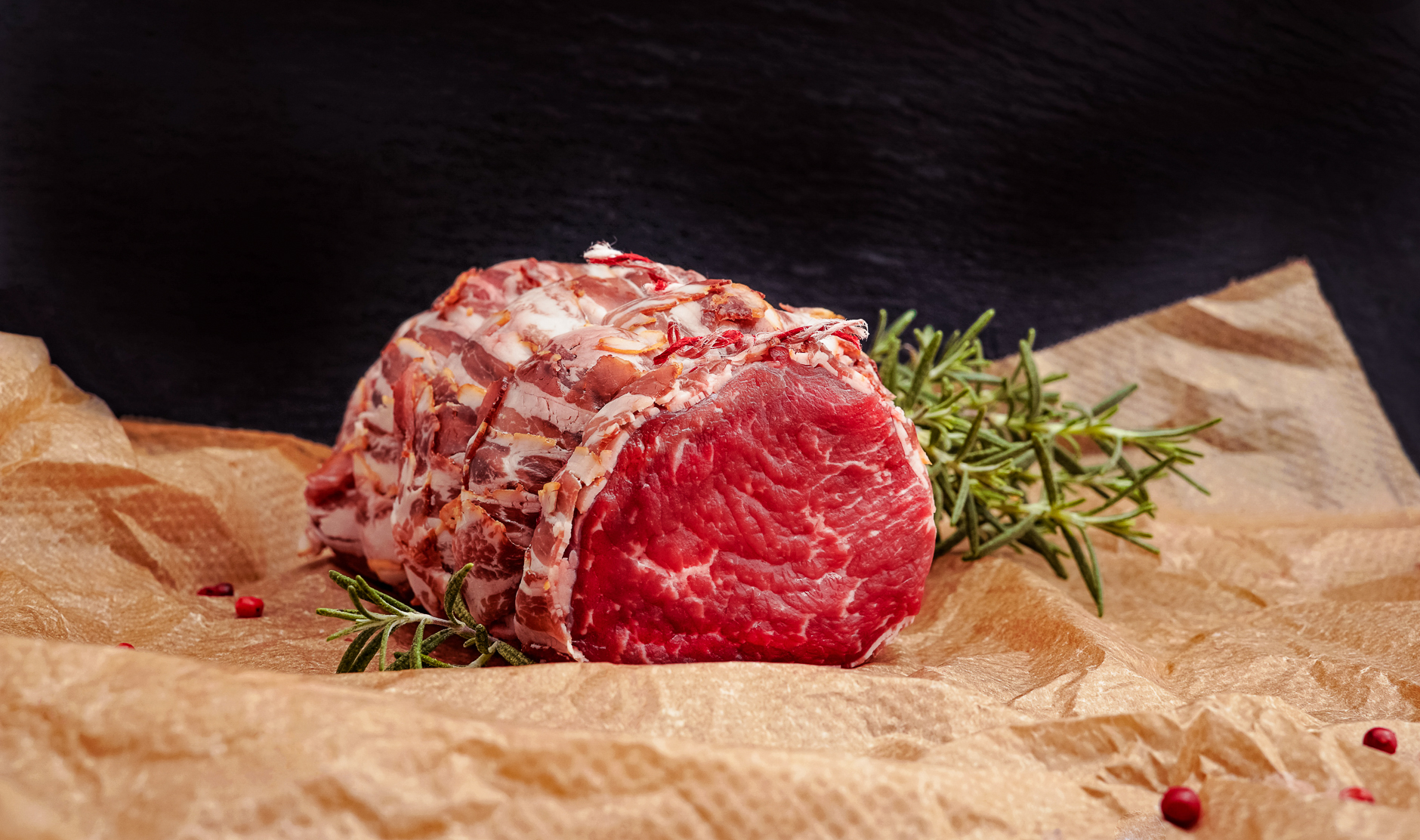
Meat is a source of group B vitamins and several minerals such as iron. Group B vitamins provide energy for our body and brain. Meat’s iron is high availability iron, meaning that it has a higher rate of absorption and usage for normal body functions. Eating 3 weekly servings of meat is recommended, choosing lean cuts.

Meat is a source of group B vitamins and several minerals such as iron
Fish
is a source of vitamin D and minerals such as phosphorous. Fatty fish is rich
in polyunsaturated fatty acids Omega3 which reduce the “bad” cholesterol (LDL)
by cutting down triglyceride levels and preceding substances which play a major
preventive role in cardiovascular diseases. Vitamin D is important for correct
calcium fixation in bones, and phosphorous helps to maintain healthy teeth.
Fish consumption is particularly important for pregnant and breastfeeding people and during periods of growth such as childhood. Eating 3 to 4 weekly servings of fish is recommended. Shellfish are high-quality protein sources too, low in sodium, calories, and saturated fats. Shellfish also contain polyunsaturated fatty acids omega-3, and are excellent sources of vitamins (B1, B12) and minerals such as phosphorous, potassium, iron, iodine, fluorine, and zinc.
 Fish is a source of vitamin D and minerals such as phosphorous
General recommendations on meat and fish consumption:
- Choose fresh and quality products
- White meat (chicken and turkey) have less saturated fat than red meat (beef, pork, lamb).
- Choose lean cuts of meat and poultry, eviting the skin.
- If you choose pre-packed meat, check the nutrition label to see how much fat it contains. Compare similar products and choose the best one.
- Trim off as much fat as possible before cooking meat and pour off the melted fat after cooking.
- Avoid frying, use healthier cooking methods: bake, broil, stew, roast, or stir-fry.
- Chill juices after cooking meat, it will easily skim off the hardened fat. Those juices can be added to stews, soups, or gravy.
- Reduce the consumption of processed red meats such as bacon, ham, salami, sausages, hot dogs, beef jerky and deli slices. They are generally high in fat and in salt.
- If you do not like fish or seafood products, make them more palatable adding a flavourful sauce or marinating them.
- Children, pregnant people, or those planning to have a baby should avoid eating shark, marlin or swordfish and cut down the tuna consumption. They contain high levels of mercury that can be prejudicial.